Addressing the Problems with Teaching Music in Baltimore
- bmoreblockflute
- Sep 2, 2019
- 2 min read
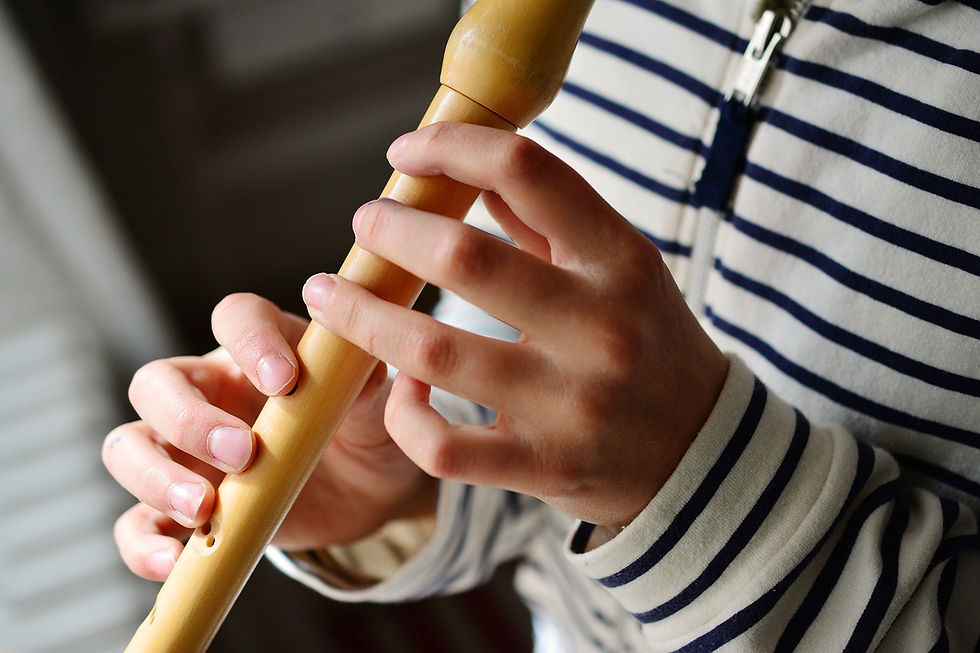
The prospect of giving children training on an orchestral musical instrument poses numerous challenges. First of all, there's the cost of putting an instrument in the hands of a student. A new, quality flute or violin can be found for under $100, and these are among the least expensive instruments. The larger the instrument, the more expensive it is. Understanding that these instruments will be placed in the hands of children, the inevitable repair and replacement expenses must be factored. And with each passing year, funding for music programs in schools becomes harder to find; therefore, school orchestras and bands struggle. Add these challenges to the problems that plague Baltimore. These include record-breaking murder and violent crime statistics and an intensifying drug-abuse epidemic. With a large population of at-risk youth, without effective intervention, Baltimore's problems will only worsen as these children grow into adulthood.
Science has proven that learning a musical instrument has benefits for students. These include an acceleration in brain development, better performance in the classroom and higher grades, an improved ability to manage negative emotions and a lowered risk of becoming addicted to drugs. A recent study found that older individuals, who studied a musical instrument as a child, were less likely to develop brain problems, like dementia and Alzheimer's Disease, which are common in older age groups.
Block by Blockflute seeks to give Baltimore's youth access to all of these benefits, by providing music lessons to young children. Starting with a real, but inexpensive musical instrument, students will be encouraged to take up music instead of picking up drugs or weapons. Working in the community, student by student, we will begin to build a drug-free community of young musicians.

Comments